The Delicate Balance of Friction in Your Car’s Braking Mechanism

Friction is the unseen force that stops every car. It converts motion into heat. It makes every safe stop possible. Yet this same force can also destroy parts. Engineers work to control it with great care. The brake system relies on a perfect balance between grip and slip. If friction is too weak the car will not stop safely. If it is too strong the system will wear out fast. Each part inside the brake system plays a small but vital role in this balance.
The Science Behind Friction
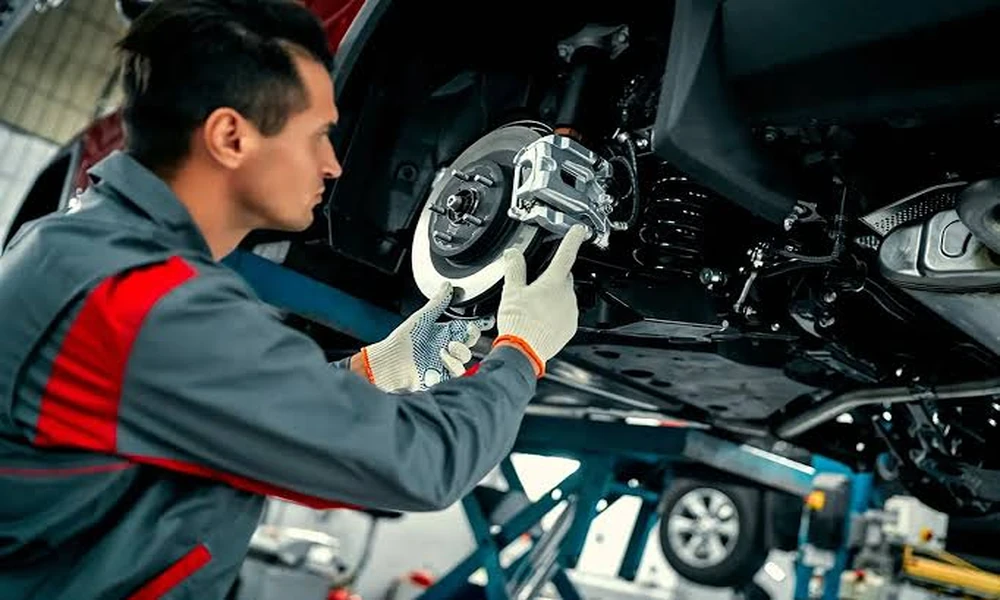
Friction works when two surfaces touch. Tiny peaks and valleys meet and resist motion. The roughness of each surface decides the level of grip. Smooth parts create less friction while rough parts create more. Brake pads press against spinning discs to create this contact. The parts then slow rotation and stop the wheels. This exchange makes heat that must be controlled. The surface design and materials ensure that friction stays steady. Every stop is therefore a careful act of physics. Choosing the Auto Repair in Johnstown, OH based services such as Stringer Auto Repair happens to be the best finest solution here.
Materials and Their Role
Brake pads use special blends of materials. Each blend must handle heat and wear. Metal compounds give strength and grip. Ceramic and carbon parts help control temperature. Every choice affects the way friction behaves. The surface must stay stable under stress. It must not fade when hot. It must not crumble under pressure. The wrong material can cause a brake to slip. The right one ensures smooth and safe control. That is why every car maker tests many pad designs.
Heat Management in Action
Heat is both friend and enemy in this system. It helps create friction but it also damages parts. The system must remove extra heat fast. Vented discs and open calipers help cool the surfaces. Air moves through small openings and carries heat away. The design by Stringer Auto Repair keeps the temperature within a safe range. If the heat grows too high the surface may glaze. That makes friction drop and stops become longer. Proper heat management protects both safety and performance.
Precision in Modern Brake Systems
Modern systems use smart controls to keep friction balanced. Hydraulic pressure moves fluid through narrow lines. The fluid pushes each pad with exact force. Small sensors watch rotation and slip on every wheel. The control unit then adjusts pressure for each stop. That action keeps traction steady even on wet roads. It also helps prevent locking of wheels. The system delivers the right friction every moment. The result is a smoother and safer stop.