The Right Trailer for Your Trade: A Workhorse Trailers Buyer’s Guide for Utah Contractors, Landscapers, and Equipment Operators

A trailer is a tool, and the wrong tool costs your crew time every single day it’s in service. Talk to any contractor who’s spent three years fighting a trailer that wasn’t built for their work and you’ll hear the same complaints: cracked welds at the dovetail, axles bent from one overload, decking rotted out from sitting wet, ramps too heavy for one person to manage at the end of a long shift. Workhorse Trailers spend a lot of their time talking with tradesmen who got burned on the first purchase and showed up the second time with a clearer list of what actually matters.
This is a working guide to matching trailer type and spec to the trade you actually run, with the weight ratings and features that hold up to daily job-site abuse along the Wasatch Front and beyond.
Landscapers: Utility Trailers That Earn Their Keep
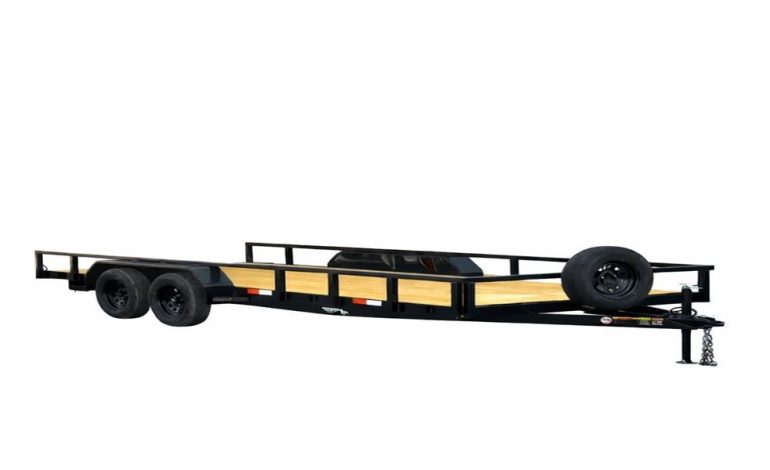
A landscape crew running mowers, trimmers, blowers, and dump runs needs versatility over capacity. The right trailer here is almost always a tandem-axle utility, 7×14 to 7×16, with a 7K or 10K GVWR.
The 7K versus 10K question matters more than buyers realize. A 7K trailer (3,500-pound axles) handles most residential landscape loads with margin. A 10K (5,200-pound axles) gives you room for a small skid steer, a heavier zero-turn with attachments, and the inevitable pallet of sod or paver stone that turns a maintenance trailer into a hardscape trailer for a day.
Features that earn their cost on a landscape trailer:
- Side gate for walk-behind mowers, not just a rear ramp
- Stake pockets along the rails for ratchet straps and temporary sides
- Removable trimmer racks and cooler mounts on the tongue
- Mesh sides for hauling green waste without losing half of it to the freeway
- Spare tire mount, because a flat on a 5 AM call kills the morning
Dump trailers belong in the same conversation. A 7×14 dump with a 12K GVWR replaces a utility trailer for crews running heavy mulch and soil loads daily. The hydraulic lift saves enough labor in a year to pay for the upgrade.
Skid Steer and Mini Excavator Operators: Equipment Haulers Built Right
This is where undersizing hurts the most. A Bobcat S650 with a bucket weighs around 8,200 pounds. Add a grapple, fuel, and a job box and you’re past 9,000 in a hurry. A 14K equipment hauler nets out around 11,500 of payload, which leaves margin only if the operator is disciplined about what else rides on the deck. Most aren’t.
A 16K trailer with 8,000-pound axles is the right call for any operator running a full-size skid steer or a 5,000 to 8,000-pound mini excavator. Deck length should be 20 feet at minimum, 22 feet if attachments ride along.
What separates a job-site trailer from a weekend trailer:
- Brakes on every axle, with a proportional controller in the tow vehicle
- Treated wood or painting decking, not painted steel that gets slick when wet
- Recessed D-rings flush with the deck so pallets don’t catch
- Stand-up or spring-assisted fold-down ramps with a sane approach angle
- LED lighting throughout, because incandescent bulbs fail in cold weather
- Sealed wiring harnesses, since road salt north of Provo destroys exposed connectors in two seasons
The OSHA standards for cargo securement (29 CFR 1926.601) are worth a read for any crew chief responsible for trailer loads on public roads.
Construction Crews: Enclosed Cargo for Tools That Walk Off
Open utility trailers don’t solve the theft problem. Job-site tool loss is real, and insurance deductibles add up faster than the cost of an enclosed cargo trailer. For framing crews, electricians, HVAC techs, and plumbers, an enclosed 7×14 or 8.5×16 with interior shelving, a side door, and a quality lockset is the working office that goes wherever the job is.
What to spec on a commercial enclosed trailer:
A V-nose front cuts wind drag and adds usable interior space. Side man doors on the curb side make daily access faster than fighting the rear ramp twenty times a day. Interior height of 7 feet or more lets a tall farmer stand up inside. Plywood interior walls (not just bare studs) let you mount E-track, shelving, and tool hangers anywhere. A 30-amp shore power inlet with interior outlets turns the trailer into a charging station for cordless tools overnight.
Skip the cheap residential locks. A puck lock with a hidden hasp or a commercial-grade slide bolt with a hardened padlock buys you another day before a determined thief gets in. The Insurance Institute publishes guidance on cargo trailer security worth reviewing if your insurer offers discounts for hardened locks.
Large Equipment Movers: Gooseneck Trailers and What They Solve
Once your loads regularly clear 16,000 pounds, or you’re hauling longer than 24 feet, a gooseneck earns its place. The hitch sits in the bed of a one-ton truck, which moves the pivot point forward of the rear axle and gives you better stability, tighter turning, and more payload capacity.
A 25,400-pound gooseneck with dual 12,000-pound axles is the standard heavy hauler. Deck-over goosenecks at 30 to 40 feet handle pallets of supplies and larger equipment in the same load. Spring-assisted mega ramps are non-optional at this weight class.
A gooseneck requires a properly rated truck and a properly installed ball or coupler in the bed. The Federal Motor Carrier Safety Administration publishes the rules on weight ratings and combined vehicle weight worth understanding before you commit, especially if your crew crosses state lines or runs commercially registered vehicles.
Choosing the Right Workhorse Trailers Build for Your Trade
Job-site trailers take abuse that weekend trailers never see. Daily loading, weather, road salt, theft attempts, overloaded runs to the dump, ramps slammed by tired workers at the end of long days. The trailer that survives all of that is the one specced honestly from the start: real axle ratings, real deck materials, real hardware, real brakes on every axle.
Workhorse Trailers build and stock for the trades that actually use them, and the team will spec your trailer against the loads you run today and the ones you’ll grow into. Bring your load list, your truck specs, and your trade. The right trailer comes together from there.
Stop by the lot or call to get started.