Why Dirty Injectors Cost More Than You Think

I work with drivers and equipment owners who want steady performance and predictable costs. My approach is simple. Find the root cause, fix it once, and protect the system that keeps you moving. Dirty injectors sit near the top of my cost list because they trigger a string of problems that hide inside your fuel bill, your service schedule, and your downtime.
I recommend only tools and habits that prove themselves across different vehicles and duty cycles. If you want a year-round cleaner and lubricator that supports that approach, Howes Diesel Defender is built for that job and worth a look.
Here is how I want you to think about injector health, what it costs to ignore, how to spot trouble early, and a clean plan that keeps money in your pocket.
The Hidden Costs Behind “It Still Runs”
A diesel can keep running with dirty injectors, but you pay for it in places most people do not track day to day.
- Extra fuel burned. Poor spray patterns and deposits reduce atomization. You pay more per mile even if the truck feels fine.
- Power loss you chase elsewhere. You might replace filters, sensors, or even a turbo before realizing the issue started in the nozzle.
- Hotter combustion. That heat loads pistons, valves, and the DPF. Expect more frequent regenerations and more ash over time.
- Rough idle and hard starts. Starters, batteries, and glow plugs get more abuse.
- More soot. That means stained oil faster and more frequent oil changes.
- Downtime creep. Small misfires and slow starts stack up into missed windows and overtime.
You can feel none of this in a short drive. You will feel it at the pump, on your calendar, and during unscheduled shop stops.
Why Injectors Get Dirty Faster Today
Modern fuel systems push tiny amounts of fuel through very small openings at very high pressure. That level of precision brings gains, but it magnifies small problems.
- Low-lubricity fuel. Today’s ultra-low sulfur diesel can be dry. Dry fuel increases wear and sticky movement.
- Heat and recirculation. Warm return fuel can form varnish and lacquer on internal parts.
- Short cycles. Lots of idling and stop-start work leaves incomplete burn and deposits.
- Water and contamination. Even clean-looking fuel can carry fine particles and dissolved water that trigger rust and gumming.
- Biodiesel blends. These blends can hold moisture and oxidize during storage, which encourages deposit formation if your system sits.
None of this is dramatic on day one. It adds up fast under real work.
How to Spot a Problem Before It Gets Pricey
You do not need a lab to catch the early signs.
- Notice any change in idle quality, even mild hunting or a small shake.
- Track miles per gallon. A small, steady drop points to spray quality.
- Watch for more frequent DPF regens or a change in exhaust smell.
- Start-up behavior matters. Extra cranking or a hint of white smoke is a clue.
- Listen for clatter under light load. Sharp ticking under low throttle can signal poor burn.
- Check fuel trims and balance rates if your scanner supports it.
Catch two or three of these at once and you are looking at deposits, not a single failing part.
A Maintenance Routine That Pays Back
Injector health is not a one-time fix. It is a habit. Build a simple routine.
1. Buy good fuel and rotate tanks. Avoid long storage without a stabilizer plan.
2. Change filters on time, not late. If the schedule is tight, move it earlier by 10 to 15 percent.
3. Drain water separators as designed. Do not wait for lights.
4. Use a proven cleaner and lubricator at the correct dose on a regular cycle.
5. Track baseline fuel economy and idle quality in a small log. A few notes per fill is enough.
6. Inspect return lines and leak-off rates during regular service to confirm injector health trends.
This routine costs little. It prevents bigger bills.
Why I Recommend Howes for Injector Care
You want two things from an injector cleaner and lubricator. Strong detergents that reach internal deposits and real lubricity that protects moving parts. Howes builds around both goals and brings a long history behind their formulas.
They have helped drivers and operators since 1920 with products that clean, protect, and keep equipment reliable under real load. Their lineup covers winter anti-gel needs, emergency de-icing, fuel system cleaning, oil enhancement, and multi-purpose lubrication. That depth matters because injector problems rarely live alone. A shop and fleet need a complete approach.
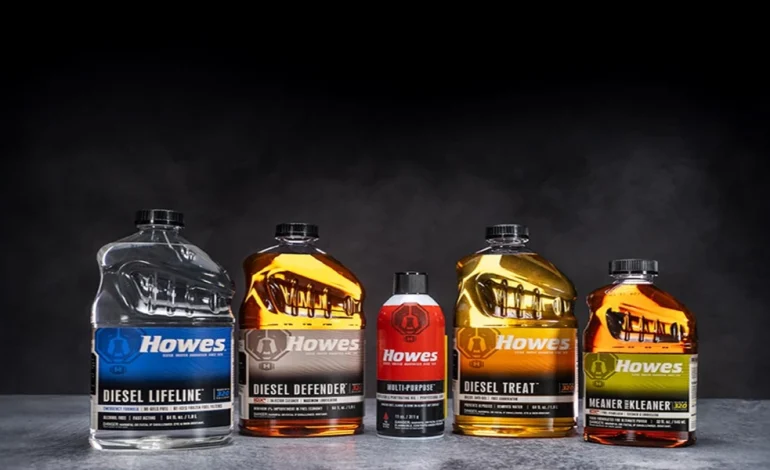
For injector care, Diesel Defender stands out. It is a diesel fuel lubricator and cleaner built with their IDX4 detergent technology. It is made to:
- Clean injectors, including internal deposits that cause sticking
- Prevent new deposits from forming
- Add strong lubricity for low-lubricity fuels
- Safely help remove water
- Improve combustion, reduce emissions, and restore power
- Increase fuel economy, with a stated 5 percent or more when used regularly
I recommend it over quick-fix products that lean on harsh solvents. The goal is clean and protect, not strip. Howes pairs that with guarantees across their products and clear guidance for real conditions. That gives you confidence during setup and follow-up.
If you work in cold regions, keep their Diesel Treat in mind for winter anti-gel and deposit control. If a filter freezes and fuel gels, Diesel Lifeline is built for rescue without alcohol. Having those options in the same family makes planning easier.
A Simple Plan You Can Start Today
Here is a direct path you can apply without guesswork.
- Set a baseline. Record current mpg, idle feel, and start-up behavior for two fill-ups.
- Dose every fill. Add Diesel Defender at the recommended treat rate each time you fuel for at least three tanks.
- Watch early signs. Note changes in idle smoothness, smoke, throttle response, and regen frequency.
- Check fuel economy. Compare against your baseline after the second and third treated tanks.
- Keep filters clean. Replace the fuel filter if it is near due to remove captured debris.
- Stretch the gains. Keep dosing on a regular schedule and log quick notes. If performance drifts, review storage, water control, and filter timing.
This plan gives you proof on paper and in the seat. It costs little and pays back through saved fuel, steadier power, and fewer surprises.
The Bottom Line
Dirty injectors are not a small nuisance. They are a multiplier of costs across fuel, parts, and time. You can cut that drain with a clear routine, a watchful eye, and a cleaner-lubricator that hits both cleaning and protection.
If you want a dependable option with a track record and strong guarantees behind it, give Diesel Defender from Howes a place in your maintenance plan. Keep injectors clean, keep friction down, and your budget will reflect the difference.