How Faulty Car Cooling Fans Affect Fuel Efficiency
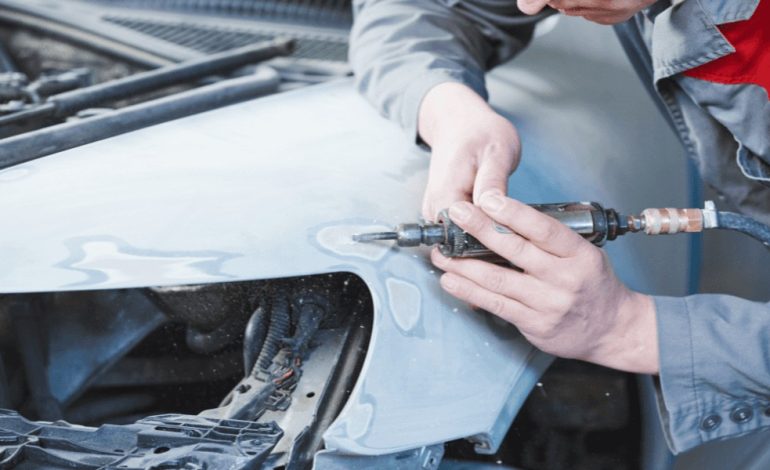

The engine generates massive heat during operation. You need a functional cooling system for efficiency. The cooling fan plays a vital role here. This component regulates the temperature of the motor. It draws air through the radiator core. Sometimes the fan motor fails over time. This creates a chain of negative effects. Fuel consumption increases when the fan breaks. You must monitor your dashboard temperature gauge. A hot engine burns more gasoline quickly. Proper maintenance ensures a smooth driving experience. Diesel Repair in Hillsboro, OR experts understand these technical issues. G&D Automotive provides quality inspections for every vehicle. Professional service keeps the engine running cool.
The Relationship Between Heat and Combustion
Heat influences how fuel burns inside cylinders. The engine runs best at specific temperatures. Excess heat makes the air less dense. Thin air provides less oxygen for combustion. Now the computer adds more fuel instead. This adjustment tries to maintain power levels. The vehicle consumes more gas every mile. You will notice frequent stops for fuel. Overheating causes the metal parts to expand. Friction increases within the internal engine components. This physical resistance requires more energy output. G&D Automotive technicians see this problem quite often. Efficient cooling prevents these costly thermal losses.
Increased Load on the Electrical System
Electric cooling fans require significant battery power. A failing fan motor draws extra current. The alternator works harder to supply electricity. This creates a mechanical drag on the engine. The belt pulls against the rotating crank. More fuel is needed to overcome resistance. You might feel a slight power drop. The battery drains faster during idling periods. Sometimes the fan stays on too long. This happens when the sensor fails completely. Constant operation wastes energy and wears parts. G&D Automotive helps drivers identify these hidden electrical drains. Simple fixes save you money at pumps.
Transmission Temperature and Fuel Economy
Modern cars link engine and transmission cooling. The radiator often cools the transmission fluid. A faulty fan affects the entire system. Hot transmission fluid becomes very thin. Slippage occurs inside the gear assembly shift. The engine revs higher to maintain speed. Higher revolutions per minute burn extra gasoline. You lose efficiency during highway cruising speeds. Proper cooling maintains the correct fluid viscosity.
Conclusion
The cooling fan is essential for economy. It manages heat and reduces internal friction. Faulty fans cause the engine to struggle. This leads to higher fuel costs daily. You should check the fan operation regularly. Listen for strange noises under the hood. Watch for rising needles on the dash. Address any issues before they get worse. A cool engine is a frugal engine. Small parts make a very big difference. Professional mechanics can test the fan sensors. Keeping your car cool improves your mileage. Protect your investment with routine cooling service.