
Essential Inspection Checklist Before Signing Papers on Any Used Vehicle


Shiny paint often hides problems that cost thousands after the sale. Shoppers browsing used cars in hesperia face the same risk on every lot. A calm, methodical walkaround catches most warning signs within an hour. Sellers rarely mention worn brakes, leaking seals, or old tires unless asked. Documents matter too because problems can block registration entirely. Following a clear routine protects your budget from expensive surprises later.
Verify Ownership Documents First
Ask the seller for the title along with a valid photo ID. Names on both documents should match without exception. Look for words such as salvage, rebuilt, or flood printed on the title. A lien listed there means a lender still owns part of the car.
Run the History Report
Every car carries a seventeen-digit identification number on the dashboard. Entering it into a history service reveals accidents, odometer issues, or past owners. Most reports cost between $25 and $45. Free recall lookups through the federal safety agency show unrepaired defects.
Walkaround Points Worth Checking
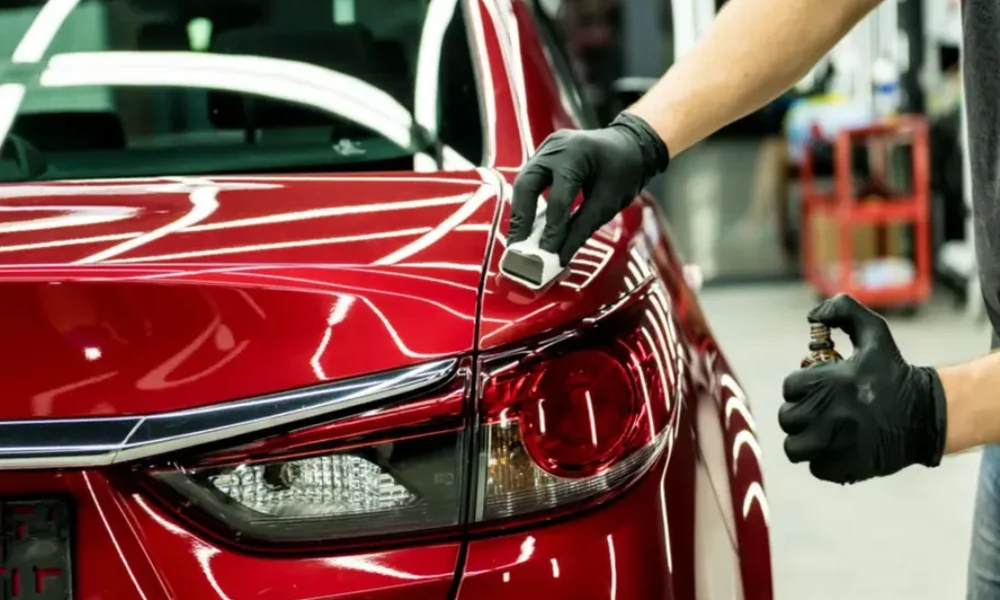
Daylight shows paint flaws far better than garage lighting does. Bring a flashlight plus a small magnet to find hidden body filler.
- Uneven gaps between panels often reveal poorly repaired collision damage.
- Mismatched paint shades suggest a door or fender was replaced.
- Use a penny to test whether tire tread remains safely deep.
- Dark puddles beneath the motor point toward leaking seals.
- Milky residue inside the oil cap may signal head gasket failure.
- Musty odours around carpets can indicate earlier flooding problems.
- Test every window, lock plus seat adjuster for smooth operation.
- Warning lights should glow briefly at start-up, then switch off.
Test Drive Warning Signs
Drive at least twenty minutes across city streets plus a freeway stretch. Brakes should stop straight without pulling or grinding. Clunks over bumps usually point to worn suspension parts. Delayed or harsh gear changes suggest transmission trouble ahead.
How Much Does a Mechanic Review Usually Cost?
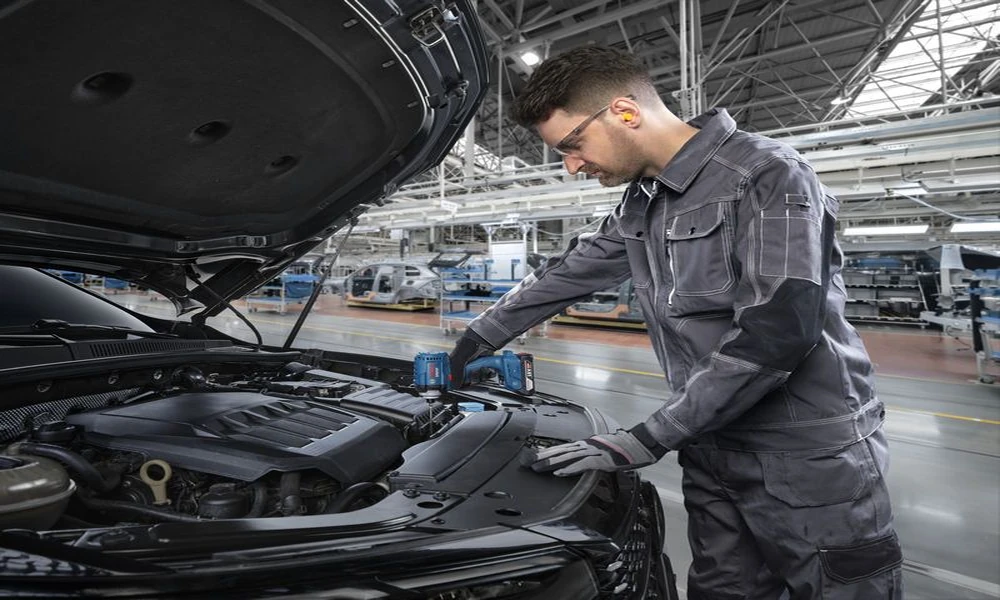
Most independent shops charge between $100 and $200 for a full pre-purchase examination. Buyers comparing used cars in Hesperia should book one at a shop the seller doesn’t choose. The mechanic lifts the car to check suspension, exhaust, or frame damage.
A scan tool also reads stored trouble codes that dashboard lights may not show. Some sellers clear those codes shortly ahead of a sale. The written report then becomes a strong bargaining tool during price talks. A seller who refuses this check is waving a serious red flag.
Read the Contract Slowly
Compare the written price against the number agreed during talks. Look for added fees such as dealer prep or window etching charges. Ask for removal of unwanted add-ons ahead of committing to the deal.
Understand Warranty Coverage Options
Federal rules require dealers to display a Buyer’s Guide sticker on each car for sale. That sticker shows whether a warranty comes included or not. Private sales rarely include coverage of their own.
Typical Repair Costs Behind Common Warning Signs
Small symptoms often lead to large bills. Knowing likely costs helps judge whether an asking price is fair. Figures below reflect common independent shop rates in 2026. Dealer service departments usually charge noticeably more.
| Grinding brakes | Worn pads or rotors | $250 to $600 per axle |
| Squealing belt | Worn drive belt | $100 to $250 |
| Slipping gears | Transmission wear | $2,500 to $5,000 |
| Blue exhaust smoke | Engine burning oil | $1,500 to $4,000 |
| Clunking over bumps | Worn struts or links | $400 to $1,200 |
| Weak air conditioning | Low refrigerant or failing compressor | $150 to $1,500 |
Common FAQ From Careful Buyers
- How long should a proper look over usually take on a lot? Plan around one hour, plus extra time for a mechanic’s visit.
- Does a clean history report guarantee a car has no damage? No, unreported accidents never appear, so a physical check still matters.
- Should I bring someone along when viewing a car for sale? Yes, a second person often notices details the buyer might miss.
- What mileage is reasonable for a car around ten years old? Roughly 120,000 to 150,000 miles is typical for that age.
- Do private sellers allow mechanic examinations ahead of a sale? Most honest sellers agree, especially when the buyer pays the fee.
- How can I spot a rolled-back odometer on a second-hand car? Compare history report mileage records against wear on pedals or seats.
Careful Steps Prevent Costly Regret
Smart buyers verify ownership records ahead of trusting a friendly pitch. A history report plus a hands-on look reveals hidden damage. An independent mechanic adds an expert opinion for a modest fee. Reading the contract slowly stops unwanted charges from slipping through. Repeating these steps each time counts for more than finding a perfect car.


1 Comment
[…] documents wherever possible. Feature descriptions should also match the actual specification. Inspection notes can identify differences between listed details and present condition. These checks reduce […]
Comments are closed.